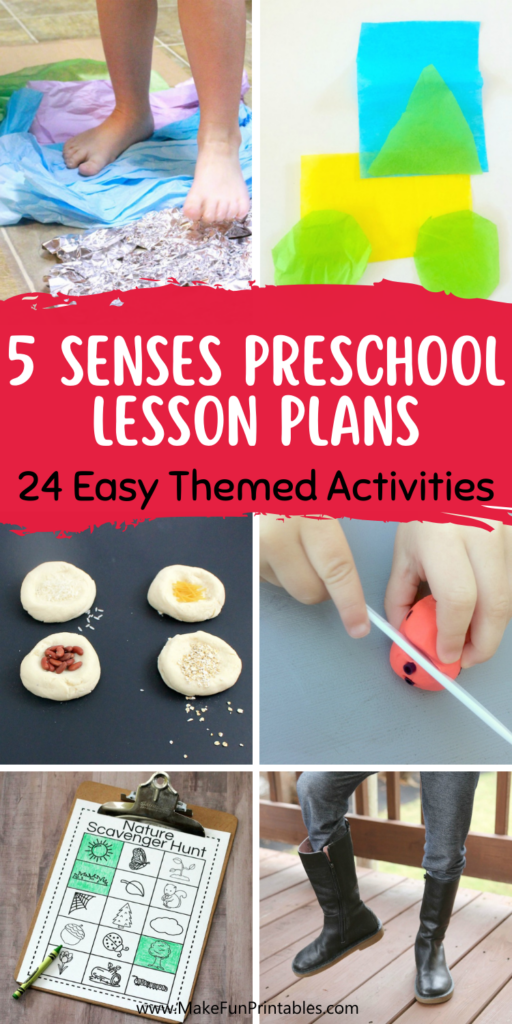
Teaching the five senses to preschoolers is one of those topics that works best through experience. Kids need to see, touch, hear, smell, and explore in order to really understand how their bodies interact with the world around them.
Coming up with enough engaging ideas to cover all five senses can feel overwhelming though. That is where having a ready to go set of activities makes everything easier.
Instead of trying to piece things together, you can use activities that naturally guide kids through each sense in a fun and meaningful way.
👉 See all the five senses preschool activities here
Created with real teachers and real learning in mind
This is not something thrown together quickly. This five senses set was created alongside educators who work with preschoolers every day, so each activity reflects how young children actually learn.
Everything is designed to be simple to use while still supporting real skill development. The focus is on hands on learning that feels natural and engaging instead of forced or overly structured.
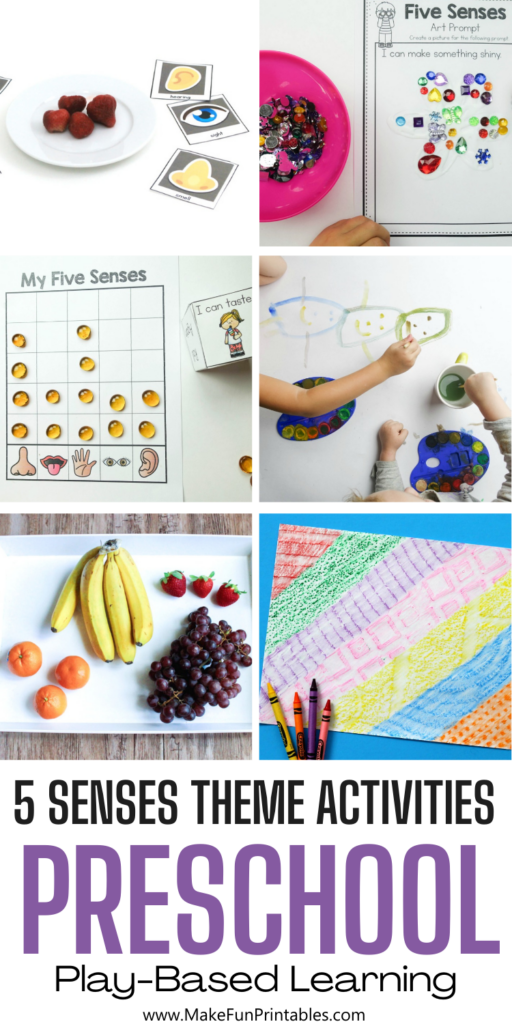
A simple way to explore the five senses
The five senses are best learned through repeated, hands on experiences. When children can interact with materials in different ways, the learning becomes more meaningful and easier to remember.
Instead of relying on one type of activity, a mix of approaches helps keep kids interested while reinforcing each concept in different ways.
Designed for real preschool routines
Everything in this set is made to fit easily into your day without adding extra stress.
You can:
- Use activities during themed learning weeks
- Add them to centers or small group time
- Rotate activities to keep kids engaged
- Adjust based on your child’s level and interests
It works well in both homeschool settings and classroom environments.
Why hands on sensory learning works so well
At this age, learning happens through doing. Exploring the five senses through hands on activities helps children stay focused and fully engaged.
This type of learning supports:
- Sensory awareness and understanding
- Vocabulary development
- Observation and curiosity
- Early science concepts
When kids are actively involved, they are more likely to remember what they learn.
Make teaching the five senses easier
Instead of trying to come up with new ideas for each sense, you can have a set of activities ready to go that keeps learning consistent and enjoyable.
Less planning for you. More exploration for them.